Common Garbage Disposal Problems and How to Prevent Them
Introduction
Garbage disposals have become an essential fixture in modern kitchens, helping homeowners quickly dispose of food scraps and minimize household waste. Despite their convenience, disposals can develop several issues that disrupt kitchen routines and may even result in costly repairs if neglected. Recognizing the most frequent garbage disposal problems—and understanding practical ways to prevent them—can keep your unit running efficiently for years. If you’re looking for fast professional help, consider contacting a trusted garbage disposal service Utah for expert assistance and peace of mind.
Whether your disposal struggles with persistent clogs or simply emits unpleasant odors, many problems are preventable with the right maintenance and habits. Proactive care and timely intervention distinguish between a hassle-free kitchen and an unexpected breakdown. In this guide, you’ll discover the most common disposal issues and actionable tips to keep your disposal clean, safe, and effective.
Frequent Clogs
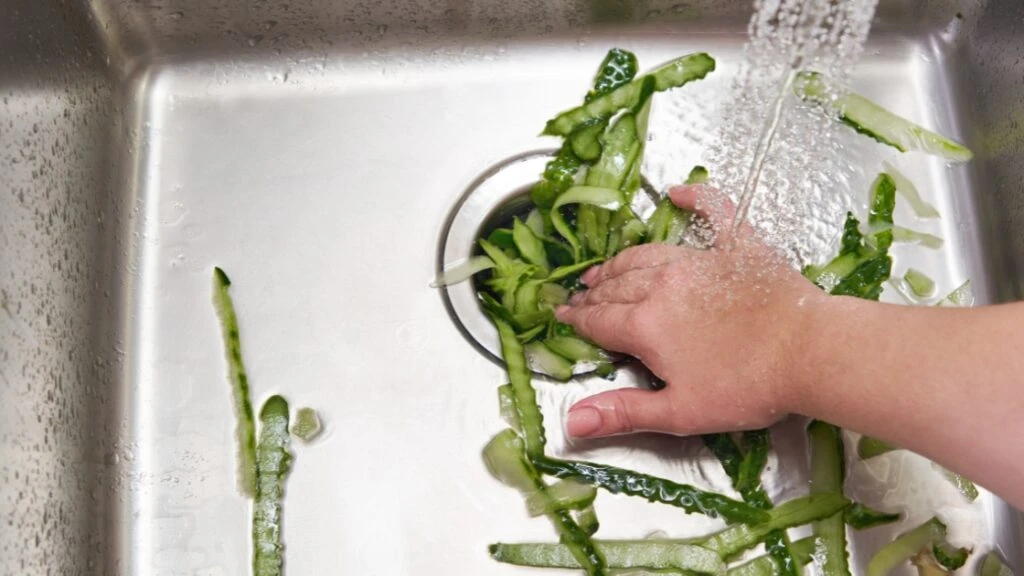
Clogs are among the most prevalent headaches for garbage disposal owners. Most often, these result from putting the wrong foods down the drain. Fibrous items like celery, corn husks, and potato peels can wrap around the blades, causing blockages. Starchy foods also pose a risk by forming a paste that’s difficult to clear. To minimize clogging:
- Avoid sending fibrous or starchy food scraps into the disposal.
- Cut larger items into smaller chunks to help the disposer process them smoothly.
- Always run a strong flow of cold water before, during, and after using the disposal to help move waste through the pipes.
A little maintenance goes a long way—periodically grind ice cubes and citrus peels to help clean the blades and keep odors at bay.
Unpleasant Odors
Lingering food means lingering odors. When food particles get trapped inside the disposal chamber, they quickly begin to smell. Regular cleaning is crucial. Here are some tried-and-tested ways to keep things fresh:
- Grind up ice cubes and citrus peels to scrub the chamber and release natural, pleasant scents.
- Periodically pour a mixture of baking soda and white vinegar down the disposal to neutralize odors and clear grime.
- Turn on the disposal and run water regularly to prevent build-up and stagnation.
Enzymatic cleaners can significantly improve stubborn odors without damaging plumbing or harming the environment. They safely break down food and grease, leaving your disposal cleaner and fresher.
Jamming
If your disposal is humming but not grinding, it’s likely jammed—often by hard, non-food objects like bones, utensils, or fruit pits. Prevent jams by:
- Not allowing non-food items or very hard food scraps into the disposal.
- Feeding scraps in slowly and gradually rather than all at once.
If your disposal jams, always turn off the unit’s power before clearing it. Most units allow you to manually rotate the blades using an Allen wrench from underneath the disposer, which can loosen the obstruction. Never use your hands inside the grinding chamber.
Leaks
Leaks are another frequent concern with garbage disposals, leading to water damage beneath your sink. Usually, leaks are the result of worn-out seals, loose fittings, or cracks in the disposal housing. Prevention and prompt repairs are key:
- Regularly check for drips or dampness under the sink.
- Tighten any loose drain and hose connections.
- Replace gaskets and seals as soon as signs of wear appear.
- If leaks persist, especially if you discover cracks in the unit, consider consulting a professional plumber.
Early attention to leaks can stop minor issues from becoming expensive problems.
Disposal Not Turning On
A garbage disposal that won’t start is typically due to an electrical problem—often a tripped reset switch, unplugged cable, or a blown circuit breaker. Troubleshoot with these steps:
- Ensure the unit is plugged in and the outlet works (test with another device).
- Press the reset button on the underside of the appliance—this can resolve overloads.
- Check your kitchen’s circuit breaker and reset it if it’s tripped.
If the disposal still fails to power up, the motor may be at fault, and it’s best to contact a technician.
Grinding Noises
Unusual grinding or rattling noises usually mean something is in the chamber that shouldn’t be, or that components are worn or loose. To fix:
- Turn off the disposal and power source before investigating.
- Use pliers or tongs to remove any debris causing the noise, and do so carefully.
- If the noise persists, internal parts like blades or bearings may have worn down, requiring a professional inspection.
With careful use and ongoing maintenance, your garbage disposal will stay reliable and safe. Following these simple tips will minimize disruptions and extend the life of your kitchen appliance.