Smart Maintenance: Boosting Equipment Longevity with Vibration Monitoring
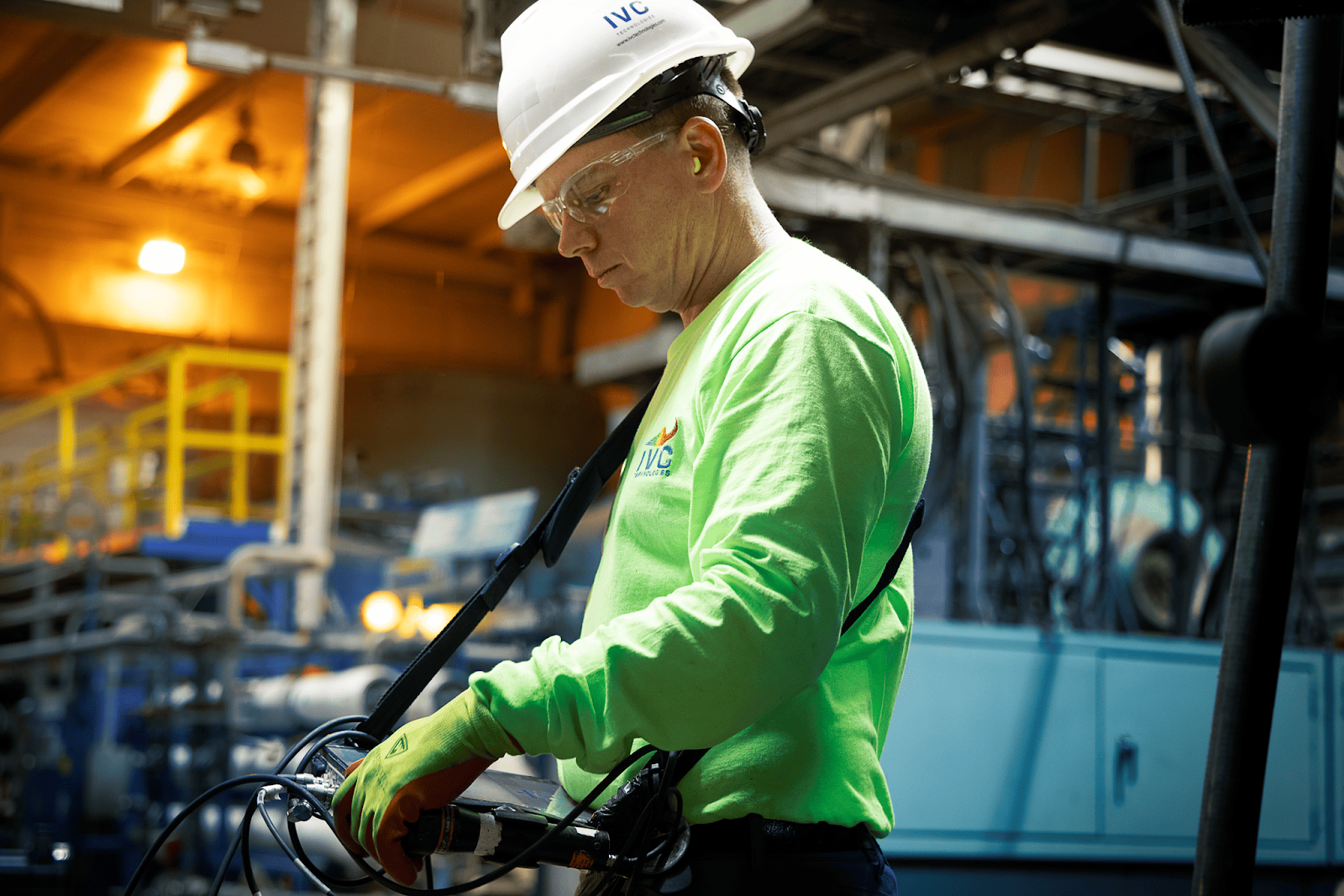
Effective machinery maintenance in today’s cutthroat industrial environment involves more than just repairing malfunctions; it also entails anticipating issues before they arise. Reactive maintenance, the conventional method, frequently leads to expensive downtime, production delays, and shorter equipment lifespans. A key component of contemporary predictive maintenance plans, vibration monitoring enables businesses to
problems early and take action
they become major failures. Businesses may obtain vital information about the condition of their machinery and guarantee more efficient operations, longer equipment life, and improved performance by continuously monitoring the vibrations of their machinery in real time. The advantages, uses, and strategic significance of vibration monitoring in contemporary industrial maintenance procedures are examined in this article.
Gaining Knowledge about Vibration Monitoring
Vibration monitoring uses extremely sensitive sensors, including accelerometers and velocity transducers, to measure the oscillations and motions of mechanical equipment. These sensors pick up on changes in vibration patterns, which may be a sign of more serious issues such as structural looseness, imbalance, misalignment, bearing wear, or gear flaws. Every machine has its own typical vibration “signature,” and any departures from this baseline act as early warning indicators of possible malfunctions. Maintenance crews might find problems that might not be apparent during regular visual inspections by examining these signals. Vibration monitoring is a proactive and predictive strategy that enables early identification and prompt intervention to avert greater issues, in contrast to traditional maintenance, which deals with issues after they arise.
Avoiding Unexpected Outages
The capacity of vibration monitoring to avoid unplanned downtime is among its most important benefits. Unexpected equipment failures can cause dangerous working conditions, expensive emergency repairs, and production schedule disruptions. Reliable remote machine vibration monitoring solutions enable maintenance personnel to plan repairs during scheduled downtime instead of responding to emergencies, ensuring smooth operations. This strategy greatly benefits a variety of industries, including manufacturing, automotive, and energy production, since it lowers disruptions, boosts dependability, and increases general safety. Businesses can prevent production losses and increase operational predictability and efficiency by anticipating possible problems.
Improving the Life of Equipment
Increasing the lifespan of machinery is intimately related to routine vibration analysis. Corrective action can be performed before minor concerns turn into big ones by identifying subtle irregularities early on. For example, it is possible to realign misaligned shafts, replace old bearings, and correct small imbalances in spinning machines before they result in additional damage. Businesses can greatly extend the equipment’s operational lifespan by taking proactive measures to address these problems. By reducing waste, extending the life of machinery also lowers capital costs associated with replacements and promotes more environmentally friendly industrial processes. A dedication to vibration-based monitoring eventually cultivates a preventative care culture that maintains the dependability and performance of machines.
Economical Maintenance Approach
Even though implementing vibration monitoring systems costs money up front, there are significant long-term financial gains. By keeping equipment operating efficiently, predictive maintenance techniques lower repair costs, avert catastrophic breakdowns, and save energy. Furthermore, instead of depending on set maintenance schedules, maintenance teams can prioritize interventions based on the actual conditions of the machinery, guaranteeing that resources are used effectively. Businesses that use vibration monitoring frequently report quantifiable improvements in return on investment, fewer emergency repairs, and lower operating expenses. Predictive maintenance essentially helps organizations stay competitive in fast-paced industrial environments by maximizing operational uptime while also saving money.
Combining Smart Technologies
Smart technologies like cloud computing, the Internet of Things (IoT), and sophisticated data analytics platforms are being incorporated into modern vibration monitoring systems more and more. Real-time data is sent by these systems to centralized dashboards, where trend analysis and actionable insights are produced by prediction algorithms. Operations are streamlined, and maintenance effectiveness is increased through data-driven decision-making, automatic alarms, and remote monitoring. By increasing total equipment efficiency, lowering operational risk, and maximizing performance, businesses that use these clever solutions obtain a competitive advantage. Furthermore, by integrating with larger industrial automation frameworks, these systems can offer a comprehensive perspective of plant health and facilitate more strategic planning.
read more : https://wayssay.com
Vibration monitoring is a strategic investment that improves equipment health, lowers operating costs, and sets up companies for long-term success in a highly competitive industrial environment. It is not merely a technological update. Businesses may gain more sustainability, safer operations, and increased efficiency by including vibration monitoring in their smart maintenance plan.