Architectural Realism: Printing the Textures of 2026 Urban Design
For decades, the architectural model sat at the intersection of high-concept design and painstaking manual labor. A firm might spend months perfecting the digital CAD files for a new skyscraper, only to spend weeks more with X-Acto knives, foam board, and spray paint to create a physical representation for a client presentation. In the fast-paced development cycles of 2026, this “analog” bottleneck is finally being cleared.
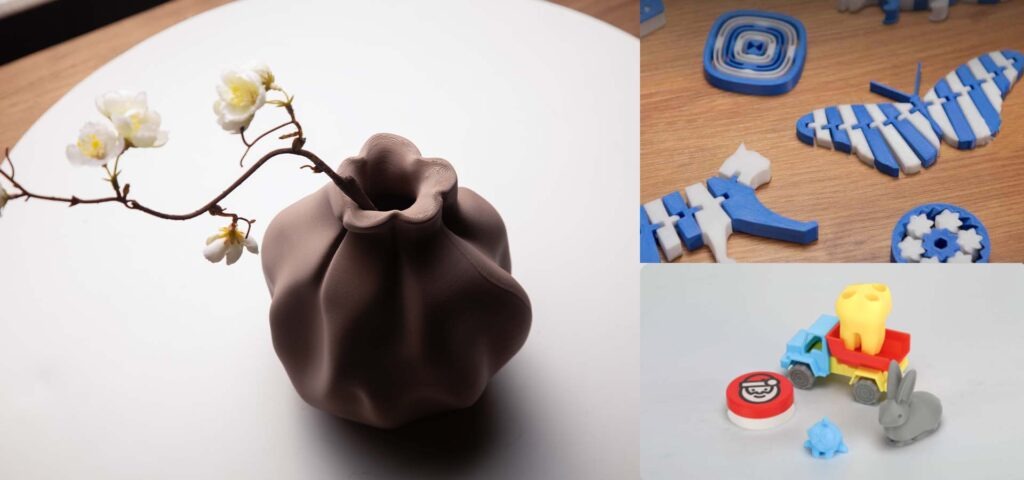
The emergence of the high-fidelity color 3d printer has introduced a new era: Architectural Realism 2.0. By moving beyond monochrome plastic and into a world of multi-material textures, architects are now producing presentation-ready models directly from their BIM (Building Information Modeling) software.
The End of the “White Model” Limitation
Historically, 3D-printed architectural models were mostly “study models”—monochromatic white or gray shapes used to judge massing and shadow. While useful for internal review, they lacked the “emotional sell” required for high-stakes urban planning meetings or luxury real estate sales. To show a client how a wood-cladded facade would look against a glass curtain wall, a firm had to rely on 2D renders or expensive, hand-painted physical mockups.
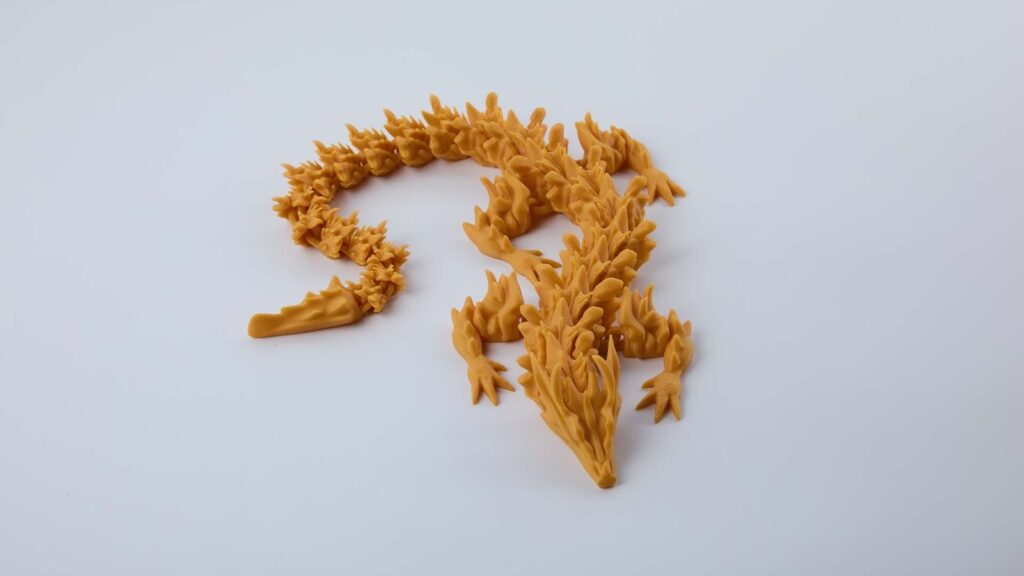
In 2026, the 3d printer has evolved into a multi-material powerhouse. Today’s systems can switch between different filaments in a single build, allowing a model to feature:
- Matte gray for concrete structural elements.
- Translucent or “clear” filaments for windows and glass balconies.
- Wood-filled polymers for organic cladding and decking.
- Vibrant greens for rooftop gardens and urban landscaping.
This ability to represent the actual materials of a building in a physical model provides a “tactile truth” that a digital render simply cannot replicate.
Contextual Urbanism: Mapping the Neighborhood in Color
Architecture doesn’t exist in a vacuum; it exists in a neighborhood. One of the most significant trends in 2026 is the use of the color 3d printer to create “Context Models.”
Using GIS (Geographic Information System) data, architectural firms are printing entire city blocks to show how their new proposal fits into the existing urban fabric. By using a 3d printer with multi-material capabilities, they can color-code the surrounding environment: historic buildings in brick-red, new developments in cool-blue, and public transit zones in high-visibility yellow. This visual clarity is instrumental in public consultation phases, where non-experts need to quickly understand the impact of a new structure on their community.
Precision at Scale: The Challenge of the 1:200 Detail
The smaller the scale, the harder the detail. In a 1:200 scale model, a balcony railing or a window mullion is thinner than a toothpick. Traditional 3D printers often struggled with these “thin-wall” geometries, leading to brittle models that broke during transport.
The 2026 generation of prosumer-grade hardware has solved this through advanced motion control and rigid frame engineering. Modern machines utilize ultra-fine nozzles and specialized “tough” resins or filaments that can maintain structural integrity even at microscopic widths. This precision allows architects to print intricate “exploded axonometric” models—where different floors of a building can be lifted off to show the internal colored floor plans and mechanical systems underneath.
Reducing Lead Times from Weeks to Hours
In the competitive landscape of 2026, speed is a primary differentiator. If a client requests a change to the lobby design on a Tuesday, they expect to see the updated physical model by Thursday.
By integrating a color 3d printer into the studio, firms have eliminated the lead times associated with external model-making shops. The “Design-Print-Review” cycle now happens in-house. Because 2026 systems are designed for high-speed, reliable production, a firm can set a 24-hour print job and arrive the next morning to find a finished, multi-colored model waiting on the build plate.
The Sustainability of Digital Craft
Architectural model-making was traditionally a wasteful process, involving scraps of balsa wood, toxic adhesives, and aerosol paints. The transition to a 3d printer-centric workflow is a significant win for “Green Architecture” initiatives.
Modern printers use biodegradable PLA and recycled PETG filaments. Furthermore, the ability to “hollow out” large architectural volumes while maintaining structural “infill” significantly reduces the amount of material required compared to traditional solid-carved models. In 2026, the “Digital Craft” of 3D printing is as much about environmental responsibility as it is about aesthetic precision.
Conclusion: A New Language of Presentation
The “White Model” will always have a place in the conceptual phase of architecture. But as we look at the urban design landscape of 2026, the expectation for realism has shifted. Clients and city planners no longer want to “imagine” the colors and textures of a space; they want to see them.
By harnessing the power of the color 3d printer, architectural firms are finding a new language of presentation—one that is faster, more accurate, and infinitely more engaging. The physical model has returned to the center of the design conversation, more vivid and vital than ever before.