Sustainable Landscaping Trends for Modern Yards
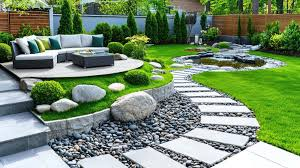
Table of Contents
- Native Plants and Biodiversity
- Water-Efficient Landscaping
- Permeable Hardscaping
- Wild Planting and No-Mow Lawns
- Edible Landscaping
- Modern Hardscape Design
- Smart Irrigation Systems
- Creating Private Retreats
Modern homeowners are seeking ways to make their outdoor spaces beautiful, functional, and environmentally responsible. Sustainable landscaping practices can transform a simple yard into a thriving habitat that saves resources and supports local ecosystems. With careful planning and thoughtful plant selection, sustainable trends are not only accessible but also highly effective in reducing workload and maintenance costs. For those seeking local expertise, the right professionals can further simplify the process, such as lawn care Grapevine that understand the unique needs of your area.
This shift towards eco-friendly yards involves more than just planting native flowers. It includes thoughtful water management, innovative hardscaping, and a focus on natural aesthetics. Sustainable landscaping promotes biodiversity, helps conserve water, and lessens the need for chemical interventions. As these methods gain popularity, they are redefining what it means to have a “modern” outdoor space.
Native Plants and Biodiversity
One of the foundational principles of sustainable landscaping is the integration of native plants. Native species are uniquely suited to thrive in local climates and soils, which means they require less supplemental water and fewer chemical fertilizers compared to exotic plants. Incorporating natives such as coneflowers, switchgrass, or butterfly milkweed creates vibrant habitats for birds, bees, and butterflies. Homeowners supporting biodiversity help stabilize local ecosystems while reducing gardening efforts. Learn more about the significance of native plants from Audubon.
In addition to the ecological benefits, native gardens exhibit a seasonality and natural rhythm that non-native plantings struggle to replicate. Native plants often require fewer pest control measures, further diminishing the yard’s reliance on synthetic chemicals. Creating layers of planting with diverse heights and textures encourages a greater range of wildlife, from ground-dwelling insects to nesting birds. Gardeners can further support biodiversity by adding features such as pollinator hotels or birdbaths, making their yard a sanctuary for various forms of life. Over time, these choices cultivate self-sustaining landscapes that mature gracefully and continue giving back to the environment year after year.
Water-Efficient Landscaping
Water scarcity continues to challenge many communities, inspiring homeowners to adopt xeriscaping and drought-tolerant designs. Selecting plants with low water requirements, like lavender and ornamental grasses, drastically cuts down irrigation needs. Installing rain gardens allows rainwater to soak into the ground, reducing runoff and recharging groundwater. In regions such as Texas or California, these strategies can help maintain green landscapes even during drought conditions.
Implementing mulch around planting beds further conserves soil moisture and suppresses weeds, making water-efficient landscaping practical and appealing. Modern irrigation techniques, like drip systems, direct water to plant roots with incredible precision, while rain barrels capture and recycle nature’s bounty. All of these strategies combine to significantly reduce a yard’s overall water usage, which is especially crucial as climate patterns become less predictable. Local governments, in fact, often offer incentives or rebates for homeowners who reduce water use through these methods, further promoting sustainable landscapes.
Permeable Hardscaping
Replacing concrete patios or driveways with permeable materials, such as gravel, permeable pavers, or recycled bricks, helps manage stormwater naturally. These surfaces allow rain to filter through the ground, minimizing puddles and the heat island effect seen in traditional hardscaping. Combined with sustainable planting, permeable hardscaping forms part of an attractive and efficient outdoor environment.

Along with environmental benefits, permeable surfaces offer a visually interesting alternative to conventional hardscape. They blend smoothly with planting beds and can be combined with stepping stones or green joints filled with groundcover plants. Permeable pathways connect garden spaces in a way that feels organic, enhancing movement throughout the yard while protecting local waterways from excess runoff. Designers also increasingly employ these materials in driveways, patios, and terraces, ensuring every aspect of the space contributes to the overall sustainability of the landscape.
Wild Planting and No-Mow Lawns
Moving away from manicured lawns, wildflower planting and no-mow grass alternatives are gaining popularity. These options support pollinators and other wildlife while requiring dramatically less mowing and fertilizer. Meadow-style yards and low-growing groundcovers, such as clover or creeping thyme, offer color and interest throughout the seasons. The result is a lawn that looks dynamic and supports the natural world.
No-mow lawns are often established with fine fescue blends or microclover, which require much less water and can survive with infrequent cutting. The result is a softer, more varied appearance that provides both beauty and ecological benefit. Seasonal mowing, typically once or twice a year, helps keep these spaces healthy while allowing wildflowers to reseed naturally. By choosing wild planting schemes, homeowners can experience a changing tapestry of blooms and textures from spring through fall, making every visit to the yard a unique discovery.
Edible Landscaping
Edible landscaping merges beauty and utility in creative ways. Fruit trees, raised vegetable beds, and herb gardens can all be incorporated into ornamental designs. Beyond aesthetics, having fresh produce at your fingertips encourages healthy living and reduces food miles. Even small yards can benefit from edible plants, with options like blueberry shrubs or compact tomato varieties fitting into almost any space.
Creative use of edible plants in borders and containers can result in gardens that are both productive and attractive. Vining crops like beans or cucumbers, when combined with trellises, add vertical interest. Herbs such as basil, thyme, and mint provide appealing scents and textures while drawing beneficial insects. Interplanting vegetables among flowering plants helps deter pests and increases yields naturally. Even incorporating edible flowers, such as nasturtiums or calendula, brings color and flavor to both gardens and the dining table. The possibilities for integrating food and beauty into a sustainable landscape are truly endless.
Modern Hardscape Design
Contemporary landscaping celebrates both natural and industrial influences. Blending metal elements, reclaimed wood, and concrete with lush plantings creates a modern yet welcoming look. Raised planters, built-in seating, and minimalist pathways keep spaces organized and visually balanced. This design approach highlights clean lines and function without sacrificing connection to the natural landscape.
Today, hardscape features are often chosen to be as environmentally conscious as the plantings. Using salvaged or renewable materials reduces a landscape’s overall footprint, while modular systems allow for flexible arrangements and future adaptations. Lighting is another key aspect, with solar-powered fixtures offering ambiance without increasing energy demands. Incorporating sustainable design principles into hardscape ensures that every part of an outdoor space has lasting appeal and minimal environmental impact, aligning beauty with strong ethical foundations.
Smart Irrigation Systems
Smart irrigation systems use technology to monitor soil moisture, rainfall, and weather forecasts. These systems deliver water only when plants genuinely need it, thus eliminating waste. Homeowners can program or control smart irrigation via mobile apps, making it easier to adjust watering schedules on the go. This level of automation not only conserves resources but also promotes healthier plant growth and minimizes the risk of overwatering.
Smart sensors provide real-time data, allowing irrigation routines to change automatically based on seasonal or daily conditions. Many systems can even integrate with broader “smart home” technology for seamless management. This precise watering guards against plant stress and resource wastage, making sophisticated systems increasingly accessible to everyday gardeners. Such flexibility ensures that landscapes remain beautiful and lush while consuming the least amount of vital resources necessary.
Creating Private Retreats
Outdoor living is becoming a priority for many, and sustainable design supports this trend. Creating secluded seating areas bordered by native shrubs, installing privacy screens with living walls, or adding tranquil water features make any yard feel like a retreat. These enhancements foster peace and relaxation, ensuring that outdoor spaces are used and enjoyed to their fullest potential.
Private retreats built with sustainability in mind focus on using renewable or recycled materials for decking and furniture. Shade trees or pergolas covered in native vines offer cooling, natural relief from the sun, reducing energy required for indoor air-conditioning. Consider designing winding footpaths, meditation spots, or hammocks tucked into natural alcoves for relaxation. By tuning design to a site’s unique microclimate and native flora, homeowners craft private oases that are both beautiful and climate-resilient, perfect for unwinding and entertaining year-round.
Adopting these sustainable landscaping ideas benefits not only your immediate environment but also contributes to broader ecological well-being. Whether you are replacing turf with wildflowers, installing permeable walkways, or adding edible plants, the results are both beautiful and responsible, creating value for your property and the ecosystem around you. Embracing these approaches means making choices today that have lasting positive effects for years to come. Sustainable landscaping is not just a passing trend, but an evolving philosophy for responsible, beautiful living outdoors.