What Is Marine Construction and Why Does It Matter Today?
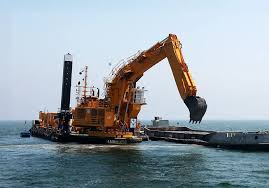
Marine construction is an extremely specialised engineering area that focuses on the construction, repair and maintenance of structures in and near water. Australia, a nation with about 60,000km of coastline, where coastal areas are intrinsic to its communities, trade and tourism, is an essential discipline for the safety, function and economic productivity of coastal areas.
Coastwide Civil constructs and maintains all aspects of the maritime infrastructure, from seawalls to boat ramps, wharves and offshore platforms, allowing valuable assets to resist the corrosive effects of salt water and the tides and harsh weather. With the increasing pressure of the climate and the increasing population in the coastal area, it is more important than ever to understand this field.
Key Types of Marine Infrastructure and Techniques
‘Marine constructions’ refer to any sort of building constructed along the coast of the sea or in any kind of water body that is utilised for a specific function. Typical projects include:
- Sea walls and revetments to prevent damage and erosion of shorelines by waves.
- Commercial shipping, fishing and public access jetties, piers and wharves.
- Wave energy and sediment transport control with the use of breakwaters and groynes.
- Access to boats and marinas for recreational and tourism businesses.
Specialist marine construction methods are needed for each structure. One example of marine piling is the process of inserting structural components into the ocean floor to provide support for wharves, bridges and loading platforms. Dredging is removal to maintain safe operating depths for ships and clear navigation channels.
The materials used must also be able to withstand constant exposure to salt water. Typically treated timber, reinforced concrete and marine-grade steel are used, as they are durable and will last for many years in the conditions prevailing.
Why Marine Construction Matters in 2026
Increasing trade, population growth and climate change are leading to increased pressure on coastal infrastructure. As almost 85% of Australians live within 50 kilometres of the coast, the condition of marine infrastructure has a direct impact on public safety, transport and local economies.
Increased rates of erosion are occurring along vulnerable stretches of shoreline due to rising sea levels and more frequent storm events. Without well-engineered seawalls, revetments and breakwaters, serious damage can occur to roads, utilities and residential areas. In some places, coastal retreat has already required infrastructure relocations and emergency repairs. Marine construction is the first line of defence against these threats.
Safe marine infrastructure is the bedrock of protecting Australia’s maritime environment and ensuring safe navigation across the nation’s waters, says the Australian Maritime Safety Authority. Port upgrades, channel maintenance and improvements to berthing facilities help keep supply chains moving and support the blue economy, which contributes billions of dollars to the national output each year. Sea transport accounts for by far the largest proportion of Australia’s imports and exports by weight and well-maintained port infrastructure is important to the national economy.
Sustainability and Innovation in Marine Design
Modern marine construction is increasingly trying to balance structural performance with environmental responsibility. Projects close to sensitive ecosystems such as the Great Barrier Reef, coastal wetlands and estuarine habitats now require an in-depth environmental impact assessment, sediment modelling and ongoing water quality monitoring throughout the construction phase.
Eco-engineering is an increasingly common practice within the industry. It is a mix of traditional built infrastructure and designs that are beneficial to marine life. Textured seawall panels encourage habitat growth; specific pile spacing allows fish passage and living shoreline treatments use native plants and engineered fill to naturally stabilise banks.
Innovation is changing how projects are delivered too. Thanks to improvements in 3D printing, contractors are now able to create complex structural parts with less waste and more precision. Prefabricated modular systems reduce on-site construction time, reducing disruption to surrounding marine habitats. More accurate planning and faster decision-making are possible with better survey technology such as sonar mapping and drone-based inspections. These developments help reduce project costs, as well as improve long-term durability and environmental benefits.
Conclusion
Marine construction is much more than building on water. It is the engineering discipline that protects coastlines, facilitates trade, enables communities and controls environmental impact in some of Australia’s most valuable and vulnerable landscapes. It’s high stakes, with some 60,000 kilometres of coastline and most of the population living along the coast. With more frequent extreme weather events and increasing coastal populations, the need for well-planned, sustainably delivered marine infrastructure will only grow. The first step to understanding the importance of this field to our nation’s future is to know what this field is all about.