Choosing the Right Wellington, Florida Neighborhood for Your Lifestyle
Key Takeaways
- Wellington, Florida, offers housing choices that range from equestrian estates and acreage properties to gated communities, golf-oriented neighborhoods, and low-maintenance residences.
- A practical neighborhood choice should account for daily routines, property upkeep, community rules, insurance needs, and long-term flexibility.
- Horse properties need specialized review of land use, drainage, barns, arenas, access, and permits.
- Association amenities can be valuable, but buyers should understand fees, restrictions, reserves, and maintenance obligations before committing.
- The best home is one that fits how you plan to live now and remains workable if your needs change.
Why Wellington Appeals to Different Buyers
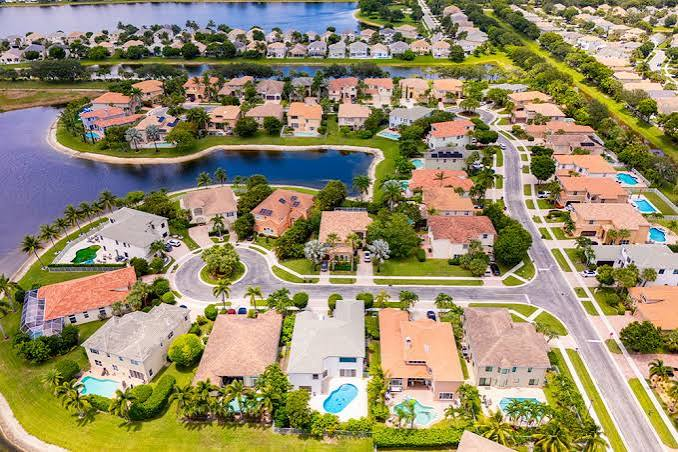
Wellington is not a one-style housing market. Buyers can find neighborhoods shaped by equestrian life, guarded entrances, lakes, golf views, traditional single-family homes, townhomes, and larger parcels with room for privacy or specialized uses. That range is part of the appeal, but it also means that comparing homes by price and square footage alone can lead to an incomplete decision.
Buyers reviewing Wellington FL homes for sale can use Breakers West Properties as a Palm Beach County real estate resource to explore Wellington listings and neighborhood-focused options near West Palm Beach and surrounding communities. Its Wellington property search is useful for comparing homes across different settings, while buyers still weigh condition, location, fees, insurance, and the way each property supports their routine.
Located in Palm Beach County, Wellington is widely associated with equestrian activity while also serving full-time residents, seasonal owners, and households seeking suburban convenience. A broader overview of the Wellington community helps illustrate why the village has developed a mix of residential areas rather than a single uniform neighborhood pattern.
The Main Neighborhood Types in Wellington
Two Wellington homes with similar interiors may provide very different ownership experiences. Consider the listing’s setting before deciding which properties deserve a second visit.
- Equestrian estates often prioritize land, barns, paddocks, arenas, trailer circulation, and proximity to horse-related facilities.
- Gated family communities: May feature controlled access, sidewalks, lakes, recreation spaces, and association standards.
- Golf and club-oriented areas: Can offer scenic views and recreational opportunities, sometimes alongside separate club or membership costs.
- Established residential neighborhoods: Often provide mature landscaping, varied floor plans, and a less resort-style community structure.
- Condos, villas, and townhomes: Can reduce exterior maintenance responsibilities, although association rules and recurring fees become especially important.
- Acreage and specialty properties: Offer space and privacy but may require more hands-on care, equipment, and land-use review.
What to Look for in Equestrian Areas
Horse properties deserve a review that goes beyond the main residence. The land and supporting improvements should function safely and legally for the intended use, especially in South Florida conditions where drainage, irrigation, and storm preparation can affect daily operations.
Key Equestrian Features to Review
- The number, dimensions, condition, and ventilation of stalls.
- Arena footing, drainage, lighting, and usable riding space.
- Paddock layout, gates, fencing condition, and water access.
- Trailer entry, turning space, parking, and equipment storage.
- Feed rooms, tack rooms, wash areas, and manure-management arrangements.
- Permits, zoning, easements, accessory structures, and association restrictions.
Seasonal equestrian activity may influence traffic patterns, rental interest, and the pace of the local market. Before relying on assumptions about a property’s flood exposure, buyers can consult FEMA flood map information and then discuss the property-specific result with an insurance professional and local experts.
Comparing Gated Family Communities
Gated communities can appeal to buyers who value a more structured environment, shared amenities, and coordinated exterior standards. Depending on the community, features may include pools, fitness areas, sports courts, walking routes, playgrounds, or maintained common spaces. The right fit depends on whether those amenities will actually be part of your life.
Simple HOA Review Checklist
- Request the current declaration, bylaws, rules, and amendment history.
- Review the budget, reserve information, and recent meeting minutes.
- Ask whether special assessments, major projects, or legal disputes are pending.
- Confirm what the association maintains and what remains the owner’s responsibility.
- Check rules for rentals, pets, vehicles, renovations, fences, and exterior changes.
- Compare the full monthly cost with homes that do not have comparable association obligations.
How Location Affects Daily Costs
Location changes more than the view from the driveway. A home near preferred schools, shopping, work, or equestrian facilities may reduce time on the road. A larger lot may deliver welcome separation from neighbors, but it can also mean more landscaping, irrigation, pest control, pool care, and storm-readiness work.
- Property taxes based on the post-purchase assessment.
- Homeowners, wind, and flood insurance are applicable.
- HOA, condo, club, or recreation fees.
- Roof, HVAC, plumbing, irrigation, and exterior maintenance needs.
- Pool, lawn, tree, and pest-control expenses.
- Fuel, vehicle wear, and time associated with longer drives.
Property and Association are Due Diligence
Photos and staging cannot reveal every ownership issue. A well-presented property may still have an aging roof, drainage concerns, outdated systems, open permits, or repair needs that affect insurance availability and future costs. Start key investigations early enough to make informed decisions during the contract period.
- Obtain pre-approval and establish a realistic all-in budget.
- Compare recent sales of similar homes in the same locations.
- Request insurance estimates before finalizing the purchase decision.
- Order a full inspection and specialized inspections when the property includes a pool, barn, well, septic system, or extensive irrigation.
- Review surveys, title records, permits, easements, and community documents.
Matching a Neighborhood to Your Lifestyle
- Horse owners: Prioritize land function, venue access, barn quality, drainage, and permitted uses.
- Families: Compare layouts, neighborhood traffic, outdoor areas, routines, and community features.
- Seasonal residents: Consider security, maintenance services, lock-and-leave convenience, and rental rules.
- Privacy-focused buyers: Evaluate lot size, road noise, nearby uses, landscaping, and access points.
- First-time buyers: Focus on predictable costs, manageable repairs, insurance options, and resale potential.
Questions to Ask Before Choosing a Home
- What does a normal weekday feel like in this neighborhood?
- What services are included in the association or club fee?
- Are rentals, trailers, pets, vehicles, or renovations restricted?
- How old are the roof, HVAC equipment, water heater, and windows?
- Are there unpermitted improvements, open permits, or drainage issues?
- How would this property work if household needs change over the next several years?
Final Thoughts
There is no universal best neighborhood in Wellington, Florida. The stronger choice is the one that aligns with your daily schedule, maintenance comfort, financial plan, and long-term goals. Compare the complete cost of ownership, inspect carefully, understand the rules, and give the setting as much attention as the home itself.