How Communities Are Supporting Smoke-Free Lifestyles
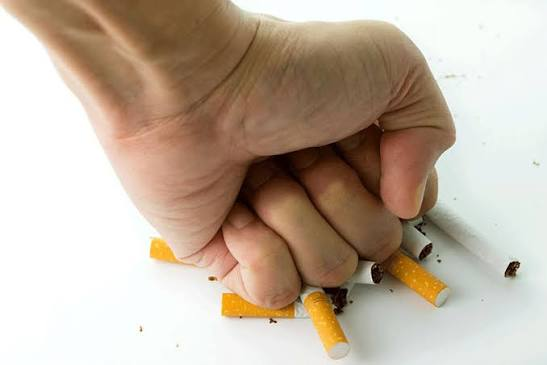
It is also easier to take the step toward a smoke-free lifestyle without people having to take the step on their own. Choosing not to smoke can feel normal in a no-smoking environment – and that takes everyone’s participation, whether at health services or at the shops. Combined efforts lead to healthy options being normalized in the community. Here is how communities are helping make the change to smoke-free lifestyles:
1. Building Supportive Social Circles
The most basic way of doing so is by getting the assistance of people around us. A friend cannot offer a cigarette, a family can create a smoke-free home, and co-workers can respect the individual’s choice to quit. Having encouragement can make it feel less isolated and can help people stay on track with their goals.
Community organization groups can also establish environments in which people talk about stopping judgement-free. Community-based initiatives could link people with a counsellor, health services, or quitlines.
2. Supporting Responsible Retailing in Shops
Retailers dealing with wholesale native smokes can also be a responsible part of the wider movement to decrease smoking. They are able to follow age limits, adhere to the advertising and display regulations and not encourage young people to use tobacco. Retailers may also provide commercial customers with information on cessation services when they are making the information available to other customers, particularly an adult customer, when doing so is permitted and the information is approved.
Responsible retailing can be part of the community effort, through these simple actions:
- Abide by all rules relating to age proofing and tobacco sales.
- Avoid selling tobacco products to underage customers.
- Abide by tobacco advertising and promotion ban restrictions.
3. Making Smoke-Free Spaces the Norm
The places where individuals spend time are part of the environment that shapes behaviour in communities. The environment can directly impact behaviour within communities through the places where people spend their time. Making it more visible to live without tobacco and reducing exposure to second-hand smoke in the workplace, school, and recreation areas can help achieve a smoke-free environment. Health Canada indicates that one of the key components of tobacco control is the protection of the population from second-hand smoke.
The effect extends outside of the rules that have been written. But when these kids consistently witness adults enjoying parks, sports games, restaurants, family activities and gatherings without smoking, then they are being told a different version of what is normal.
4. Considering Schools and Youth Programs
Attitudes towards tobacco can develop at any time, and this is where schools have a role to play. Tobacco, a discussion of, about social pressure and developing healthier means of handling stress are all topics that can be discussed with youth that teachers, coaches, and youth workers can handle with respect. Best conversations happen when they offer as much information as they do about performance issues – and without fear or shame.
Activities used in youth programmes can support this learning by creating opportunities for youth to have increased confidence and connection. Sports, art, volunteering, outdoor projects and leadership programmes provide young people with positive activities to fill their time.
In conclusion, the process of creating smoke-free communities is not accomplished by a single campaign or policy but through numerous small steps. Good relationships, safer public venues, youth programs, good retailers, quit services, and respectful workplaces can all be part of the solution. Togetherness works to protect health—it isn’t a struggle.