How to Winterize an Aluminum Floating Dock Without the Headaches
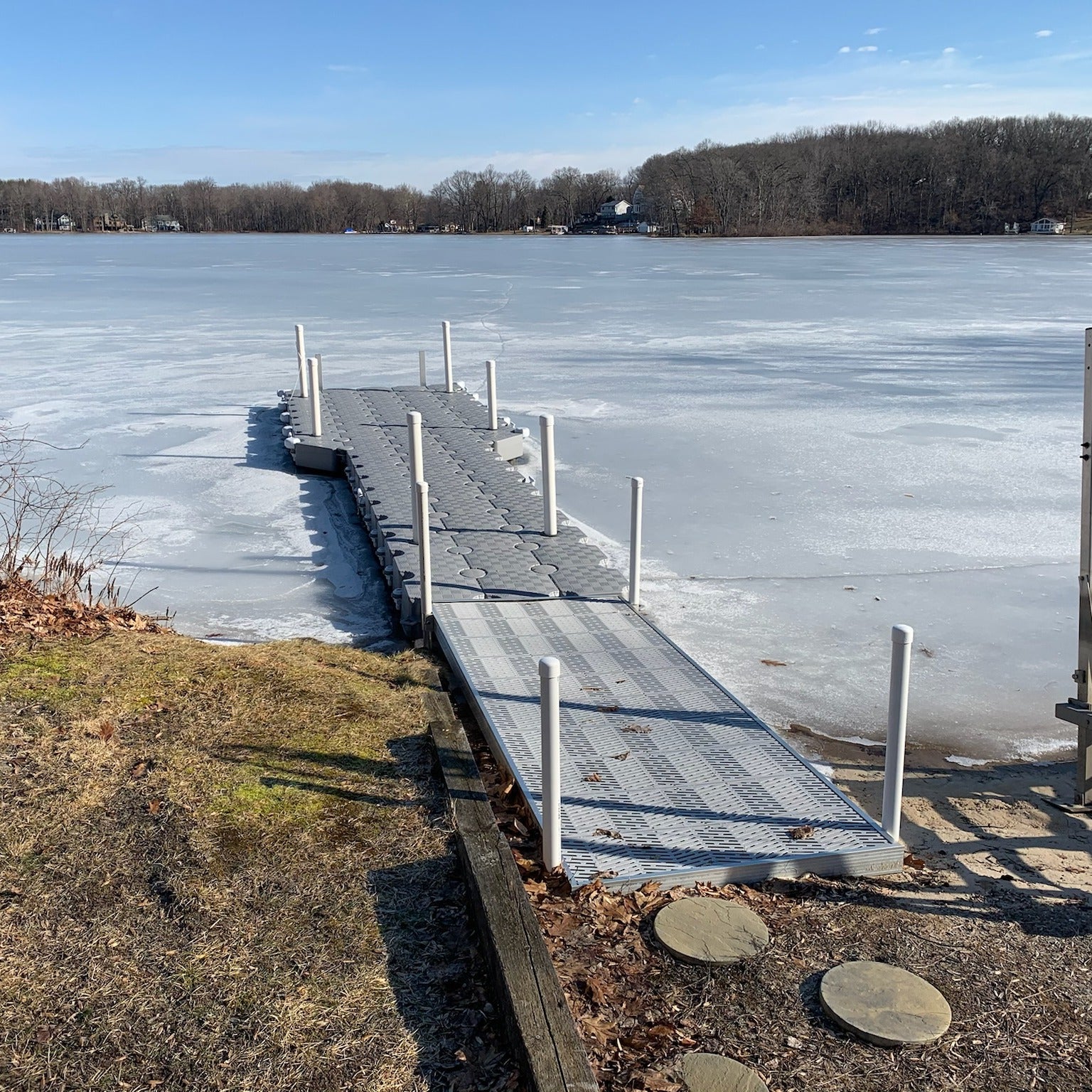
Winter prep is much easier when it starts before the first hard freeze. A dock that looks fine in October can face very different conditions once water levels drop, ice forms, and winter winds pick up. An aluminum floating dock still needs seasonal attention, even though the frame itself won’t rot like untreated wood. A few practical checks can prevent spring from turning into a repair project.
Start With a Full Walkaround Before Cold Weather Sets In
Begin by walking the entire dock while everything is still easy to reach. Look for loose hardware, damaged decking, worn hinges, bent brackets, and anything that feels different underfoot.
Pay attention to places that move. Connections between sections tend to see plenty of stress during the boating season. Catching a loose bolt or worn hinge now is much easier than finding it after months of winter movement.
Floating dock builders may also recommend checking the frame for unusual twisting or sections that no longer sit evenly.
Clear Off Anything That Does Not Need to Stay Outside
Winter is hard on loose accessories. Chairs, dock boxes, fishing gear, portable ladders, cushions, and small equipment can become damaged or create problems if wind moves them around.
Remove what can reasonably be stored elsewhere. The cleaner the dock is, the easier it will be to inspect during winter if access is available.
Boat lines deserve attention too. Old ropes left dragging in the water can freeze into ice or snag nearby hardware. Keep only what the dock actually needs for the off-season.
Check the Anchoring Before Ice and Winter Winds Arrive
Anchoring is one of the biggest things to inspect before winter. Chains, cables, pilings, brackets, and shore connections may have loosened during the season.
A floating dock still needs controlled movement as water levels change. Too much slack can allow sections to swing around. Too little movement can place unnecessary load on connections when ice or fluctuating water pushes against the structure.
A boat dock builder can check whether the existing setup still makes sense if the dock has been moving more than usual.
Decide Whether the Dock Should Stay In or Come Out
There is no single winter rule for every dock. Some systems remain in the water. Others are removed, repositioned, or partially disassembled before freeze-up.
The decision depends on local ice movement, water depth, exposure, anchoring, shoreline shape, and the dock design itself. A protected cove may behave very differently from an open lake where wind pushes large sheets of ice.
Owners comparing aluminum docks for cold-weather areas should ask about seasonal handling before buying. A system that is easy to manage in winter can save a lot of work later.
Give Hinges and Connection Points a Close Look
Hinges need to move freely without excessive play. Worn pins, loose fasteners, or damaged bushings can let connected sections knock against each other as winter water moves beneath the dock.
Clean away debris around moving parts and inspect for damage. If something is already loose, freezing conditions will not make it better.
This is also a good time to check gangway connections. Water levels may change through winter, and the gangway needs enough room to move without binding against the shore or floating section.
Drain and Shut Down Dockside Utilities
Any water lines serving the dock should be prepared for freezing temperatures according to the system used. Trapped water can expand as it freezes and damage plumbing components.
Electrical equipment deserves a seasonal check as well. Unneeded circuits, portable equipment, and accessories should be shut down or removed as appropriate. Permanent dock electrical systems should be inspected and serviced by qualified professionals rather than treated as a simple DIY winterization task.
Make Spring Easier Before Walking Away for Winter
Take a few photos of the anchors, hinge locations, gangway connections, and the dock as a whole before winter sets in. Those photos make it easier to spot changes once spring arrives and can help identify parts that may need repair or replacement.
Owners comparing aluminum boat docks for sale can also ask how different systems should be handled during the off-season, especially in places where heavy ice is common. Anyone building a dock in those conditions should think about winter care early, since anchoring, access, and removable components can all affect how much work the dock needs each year.
For property owners replacing an older dock or looking for a setup that is easier to manage through winter, Flotation Systems Inc. works with all-aluminum residential and commercial dock systems. Considering seasonal access and cold-weather conditions during the design stage can make yearly maintenance simpler and help the dock fit the site more effectively from the start.

Passionate Writer, Blogger and Amazon Affiliate Expert since 2014.