Key Considerations When Choosing Industrial Casters
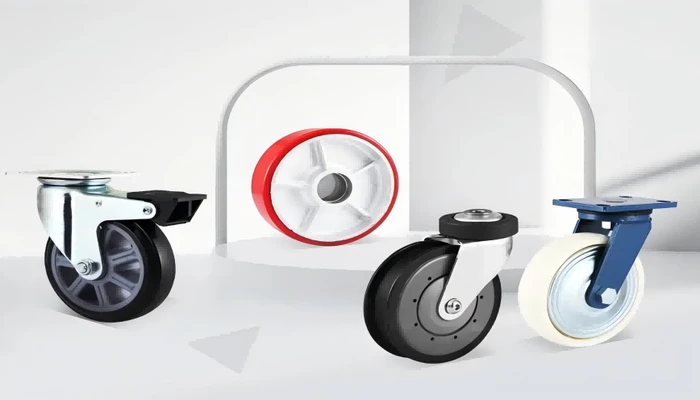
Table of Contents
- Understanding Load Capacity
- Wheel Materials and Floor Compatibility
- Wheel Diameter and Maneuverability
- Environmental Factors
- Bearing Types and Their Importance
- Mounting Options
- Maintenance and Durability
- Final Thoughts
Mobility is a critical aspect of modern industrial environments, where machines, carts, and tools must be moved efficiently and safely. Choosing the right casters for your equipment can significantly impact efficiency, minimize downtime, and extend the life of your machinery. Selecting quality locking caster wheels ensures you maintain precise control over movement and positioning, improving workplace safety and productivity.
Understanding which casters are best for your application requires evaluating a range of factors, from load capacity to environmental conditions. These considerations help prevent floor damage, reduce the risk of workplace accidents, and maximize equipment performance. Knowing the basics of caster selection puts you in the best position to create a responsive and resilient workspace.
Understanding Load Capacity
The starting point for choosing an industrial caster is understanding the load demands you plan to place on your equipment. Assessing total weight, including the equipment itself and the maximum payload, helps you choose casters that support the load while providing a safety margin. The standard approach is to divide the total weight by the number of casters and then add a safety margin, typically 25% or more. For example, if your rolling workbench weighs 400 lbs and regularly carries a 600 lb load, the weight per caster for a four-caster setup is 250 lbs. Adding a 25% safety buffer brings the minimum recommended caster capacity to about 312 lbs each. This method minimizes the risk of caster failure and extends functional life.
Wheel Materials and Floor Compatibility
Wheel material is a key factor affecting not only the longevity of your caster but also the longevity of your workspace floors. Some of the most popular industrial wheel types include:
- Polyurethane: Long-lasting and suitable for hard floors. Provides a balance of quiet operation and floor protection.
- Rubber: Offers natural shock absorption and quiet rolling. Ideal for uneven or delicate surfaces that require extra care.
- Nylon: Highly resistant to chemicals, oils, and temperature extremes. Favored in tough environments but can be loud on hard floors.
Choosing the right wheel material preserves your flooring investment and keeps rolling resistance to a minimum, reducing operator fatigue and protecting sensitive equipment. Polyurethane wheels are suitable for warehouses with concrete surfaces, while rubber wheels are preferable for rougher or noise-sensitive areas. This attention to detail ensures both the protection of floors and the optimal function of your caster wheels.
Wheel Diameter and Maneuverability
Wheel diameter is closely tied to caster performance. As wheel size increases, the ability to roll over obstacles and minimize resistance also improves. Doubling the wheel diameter can make it up to 40% easier to roll a heavy load across concrete or thresholds. However, larger-diameter wheels add height to your cart or machine, which could affect access and stability in low-clearance or precision environments. Striking the right balance between wheel diameter and application requirements allows for smooth movement without sacrificing equipment compatibility.
Environmental Factors
Casters are regularly exposed to challenging environmental conditions. Environments that feature extreme heat or cold, excessive moisture, or regular contact with chemicals require specially designed caster materials and finishes. For example, glass-filled nylon casters excel in high-temperature or chemically aggressive environments, while stainless-steel or zinc-plated frames provide enhanced corrosion resistance. Always assess your facility’s typical exposure to such elements when choosing your caster setup. Neglecting these factors can shorten caster life and impact workplace safety.
Bearing Types and Their Importance
The bearing type used in a caster plays a crucial role in how smoothly and efficiently your equipment rolls. Common bearing options include:
- Plain Bearings: Simplistic and budget-friendly. Suitable for light-duty use in environments with low rolling demands.
- Ball Bearings: Offer low rolling resistance and are ideal for applications requiring quick, smooth movement under higher load volumes.
- Roller Bearings: Built for heavy-duty needs. Handle shock and impact well, making them a common choice for industrial settings.
Matching bearing type to application requirements improves caster longevity and reduces the strain on personnel moving heavy equipment.
Mounting Options
How you attach casters is just as important as the casters themselves. The two main mounting methods are plate mounting and stem mounting. Plate mounts distribute loads over a larger footprint, providing stability for heavy-duty equipment and machinery. Stem mounts are more flexible and well-suited to lighter equipment or applications with limited space. Ensuring your chosen mounting method matches your operational and safety needs is essential for long-term reliability and OSHA compliance.
Maintenance and Durability
Maintenance influences both the safety and cost-effectiveness of your caster investment. Sealed bearings minimize the need for frequent lubrication, help keep out dust and debris, and prevent premature wear. Regular inspections, cleaning, and timely replacement of worn parts maximize the lifespan of your casters. Additionally, durable wheel materials and robust caster bodies reduce the risk of unexpected breakdowns, enhancing workplace uptime and safety.
Final Thoughts
Thoughtfully selected casters are a cornerstone of any efficient and safe industrial operation. By examining load capacity, wheel materials, environmental factors, and the right bearing and mounting combinations, you ensure your equipment delivers optimal mobility and durability. Focusing on these essential details results in better long-term performance and a safer work environment for all employees.

Passionate Writer, Blogger and Amazon Affiliate Expert since 2014.