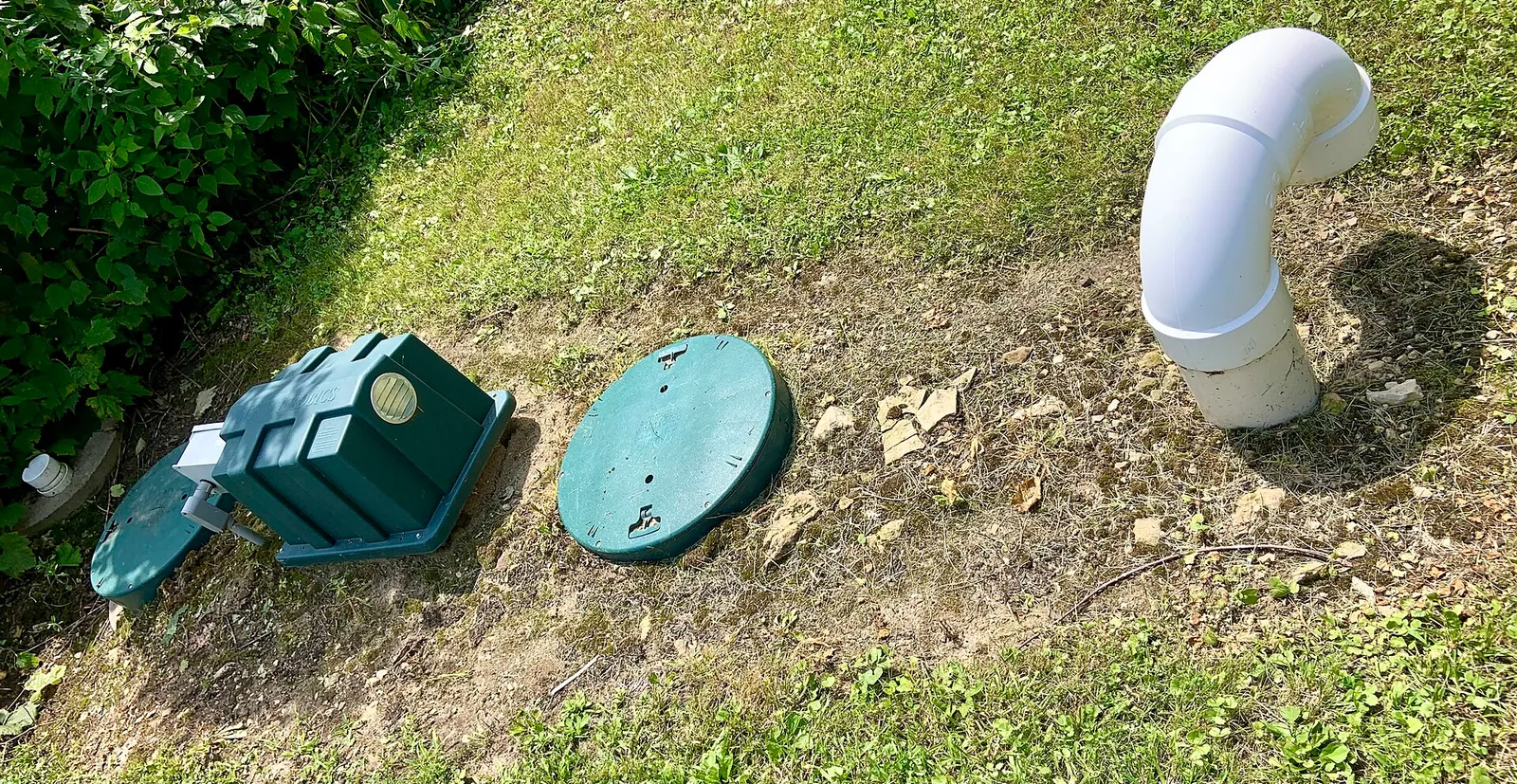
Thick sludge at the bottom of a septic tank can be harder to remove than homeowners might expect. After years of use, solid waste can settle into dense layers that ordinary suction may struggle to lift. Professional pumping crews use different techniques to loosen these deposits, move them through vacuum hoses, and clear the tank without damaging its internal components.
Why Old Sludge Becomes Difficult to Pump Out
Septic sludge contains decomposed organic matter, grit, and other solids that sink below the liquid wastewater. Over time, heavier particles settle and become more concentrated as bacteria break down some of the organic material. Tanks that go too long between cleanings may develop compacted deposits that resist movement.
Unlike liquid wastewater, thick sludge does not flow easily into a suction hose. Its consistency can vary from soft mud to dense, sticky material, depending on the waste entering the system and how long it has accumulated. Removing these deposits often requires more than simply placing a hose into the tank.
Using Vacuum Suction to Lift Heavy Waste
Professional septic tank pumping services rely on vacuum trucks equipped with powerful pumps and sealed waste tanks. The equipment lowers air pressure inside the truck’s holding tank, allowing atmospheric pressure to push wastewater and sludge through the suction hose.
Operators control the pumping process by adjusting hose placement and monitoring the flow of material. Large-diameter hoses help transport thicker waste, although hose length, bends, and sludge consistency can affect performance.
Strong suction alone cannot guarantee complete cleaning. A hose positioned too high may remove mostly liquid, leaving compacted solids behind. Technicians must reach the sludge layer and move the hose carefully across accessible areas to collect the heavier material.
Breaking Up Thick Deposits With Liquid Mixing
Dense sludge sometimes needs to be loosened before vacuum equipment can remove it effectively. Technicians may use the suction hose to disturb settled material, allowing it to mix with the remaining liquid inside the tank.
This technique, called agitation, helps turn compacted deposits into a mixture that flows more easily. Depending on the equipment and tank condition, operators may also use controlled liquid recirculation to break apart stubborn buildup.
Excessive force can damage aging baffles or deteriorated tank surfaces, so crews need to consider the condition of the structure before loosening hardened material.
Why Hose Position Matters in Multi-Compartment Tanks
Many residential septic tanks contain two compartments separated by an internal wall. The first receives household wastewater and collects much of the heavier sludge, while the second provides additional settling before liquid reaches the outlet.
Because deposits accumulate differently in each compartment, one suction position cannot always remove everything. A septic pumping company needs to locate the appropriate access openings and pump each compartment individually.
Restricted access presents another challenge. Narrow inspection openings may prevent the hose from reaching corners or areas behind internal walls. Proper access allows technicians to clean more thoroughly without forcing equipment against fragile components.
Can Hardened Sludge Require Additional Cleaning?
Severely neglected tanks may contain deposits that remain attached to the floor after the surrounding liquid has been removed. These materials can include mineral grit, compacted organic solids, and debris that does not break down naturally.
Technicians may need additional agitation, careful hose repositioning, or specialized cleaning equipment to loosen stubborn deposits. The appropriate method depends on the tank’s construction, accessibility, and condition.
Chemical drain cleaners are not a substitute for mechanical waste removal. Certain products can interfere with biological treatment or damage septic components, making professional assessment a better option for heavy buildup.
Checking the Tank After Sludge Removal
Once pumping is complete, technicians can inspect accessible sections for deposits left behind and visible component damage. Particular attention goes to the inlet and outlet baffles, which help control wastewater movement and prevent solids from entering the drain field.
Excessive sludge sometimes hides deteriorated connections, damaged filters, or structural problems. Finding these issues during cleaning can help property owners address defects before they interfere with wastewater flow.
A tank also needs proper maintenance intervals after cleaning. Measurements taken during future inspections can show how quickly sludge returns and whether household waste habits require attention.
Getting Professional Help With Heavy Sludge Accumulation
A search for septic tank service near me can connect property owners with professionals who have the equipment needed to handle dense waste deposits. Before scheduling service, homeowners can ask whether the provider pumps all compartments and addresses heavy sludge rather than removing liquid alone.
Heavy buildup deserves attention before solids begin affecting the outlet and drain field. Cora Environmental serves Huntsville, Alabama, and nearby communities with septic tank pumping and maintenance services, offering property owners a practical option for removing accumulated waste and checking whether their system needs additional attention.