The Ultimate Guide to SUV Car Camping: How to Sleep Comfortably on the Road
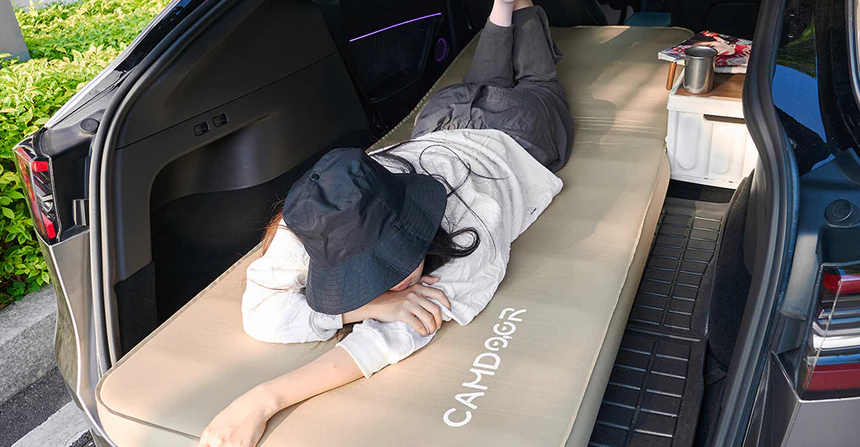
The open road is calling, and more travelers than ever are skipping traditional hotels—and even traditional tents—in favor of car camping. Transforming your SUV, crossover, or station wagon into a mobile basecamp offers unparalleled freedom. You can chase the perfect sunrise, stay protected from unexpected weather, and eliminate the hassle of pitching a tent in the dark.
However, transitioning from pitching a tent to sleeping inside your vehicle requires a strategic approach. Without the right preparation, a dream road trip can quickly turn into a cramped, restless night. To help you master the art of vehicle-based travel, we have compiled the ultimate guide to SUV car camping, focusing on comfort, efficiency, and the essential gear that will elevate your outdoor experience.
Why Car Camping is the Ultimate Way to Travel
Car camping bridges the gap between rugged backpacking and expensive RV travel. It provides a hard-sided shelter that keeps you safe from wind, rain, and wildlife, while maintaining the flexibility to move locations at a moment’s notice. Whether you are exploring national parks or boondocking on public lands, your vehicle is your ticket to cost-effective, spontaneous adventure.
The secret to a successful trip lies in maximizing your available space. Unlike traditional camping, where gear is scattered around a large campsite, カーキャンプ requires everything to coexist within a few dozen square feet. Efficiency is key.
1. Perfecting Your Vehicle Sleep Setup
The foundation of any great road trip is a good night’s sleep. If you are sleeping inside your vehicle, simply throwing a sleeping bag on the folded back seats rarely suffices. Most modern vehicles do not fold entirely flat, creating ridges and gaps that can ruin your posture by midnight.
To achieve a mattress-like feel inside your car, investing in a high-quality エアマット specifically designed for outdoor or vehicle use is a game-changer. Look for options that feature durable, puncture-resistant materials and a thickness of at least 3 to 4 inches to smooth out the uneven floor of your cargo area.
Pairing your mattress with proper support is equally vital. Standard home pillows often lose their fluff in humid outdoor conditions. Utilizing specialized インフレータブルキャンプ枕 allows you to adjust the firmness easily via a valve, ensuring proper neck alignment whether you sleep on your back or your side. By treating your vehicle’s interior like a luxury hotel suite, you ensure you wake up recharged and ready for a full day of hiking or driving.
2. Master the Art of Camp Kitchen Organization
Cooking on the road is one of the greatest joys of travel, but a messy kitchen can quickly derail your morning routine. When you are operating out of the trunk of your car, every square inch matters.
The most effective way to manage your culinary gear is to create a dedicated mobile kitchen station using heavy-duty plastic bins or modular storage drawers. Group your cooking utensils, fuel canisters, and dry ingredients together so you never have to unpack the entire car just to find a fork.
When it comes to preparing meals, compactness is everything. Traditional pots and pans are too bulky for vehicle travel. Instead, opt for a space-saving nesting camp cookware set that stacks neatly inside itself. These sets typically include lightweight pots, pans, and even bowls that lock together into a single, compact unit. This not only frees up valuable cargo space for other necessities but also keeps your kitchen gear from rattling loudly while driving down bumpy dirt roads.
3. Climate Control and Ventilation Tactics
One of the most common mistakes beginner car campers make is rolling up all the windows tightly at night to stay warm. In reality, a human body exhales a significant amount of moisture over eight hours. Without proper airflow, this moisture condenses on the cold glass and metal surfaces, leading to a damp interior and foggy windows by morning.
To prevent condensation, crack at least two windows about half an inch to create a cross-breeze. To keep bugs out while letting fresh air in, you can slip mesh screen sleeves over your car doors.
If you are traveling during colder months, do not rely on your car’s heater overnight, as idling the engine for hours is inefficient and potentially dangerous. Instead, focus on insulation. Place a reflective foam barrier underneath your sleeping mat to block the cold air rising from the vehicle’s steel chassis, and use a properly rated sleeping bag to trap your body heat.
4. Maximizing Cargo Space with Smart Storage Solutions
When your bedroom and your trunk are the exact same space, organization becomes a matter of survival. The golden rule of car camping is that everything must have a designated home. When it is time to transition your vehicle from “drive mode” to “sleep mode,” you need a system that allows you to shift gear effortlessly.
Utilizing the vertical space in your vehicle is highly effective. Overhead cargo nets that clip onto interior grab handles are excellent for storing lightweight items like jackets, maps, and headlamps.
For the rest of your gear, heavy-duty camping storage bags and water-resistant duffels are essential. Soft-sided bags are generally preferred over rigid plastic bins for clothing and personal items because they can be compressed and wedged into tight footwells or spaces between seats. Labeling your bags or using color-coded systems ensures that you can locate your rain gear or clean socks in seconds, even in pitch-black conditions.
5. Lighting and Power Solutions for the Mobile Camper
Operating inside a dark vehicle can be frustrating. While your car has built-in dome lights, using them extensively runs the risk of draining your vehicle’s battery, leaving you stranded in a remote area.
Instead, rely on independent, battery-powered or rechargeable light sources. Stringing LED fairy lights or a compact lantern across the ceiling handles creates a warm, ambient glow that makes your vehicle feel incredibly cozy.
For personal tasks like reading or setting up your bed after sunset, keeping a reliable outdoor headlamp around your neck or on the dashboard is incredibly convenient. A headlamp provides hands-free illumination exactly where you look, making it easy to navigate outside the vehicle for a midnight bathroom break or to check your gear without disturbing anyone else.
Conclusion: Ready, Set, Drive
Car camping strips away the complexities of traditional outdoor travel and focuses on what truly matters: the journey. By optimizing your sleep setup, organizing your kitchen gear, and managing your storage efficiently, you can turn any standard vehicle into a highly capable adventure rig.
The beauty of this travel style is that it requires very little barrier to entry. With a solid plan, a few key pieces of versatile gear, and a spirit of adventure, the entire continent becomes your campground. Pack your bags, prep your car, and hit the road—your next great view is just a drive away.