Wearable Data Could Make Betting Too Personal?
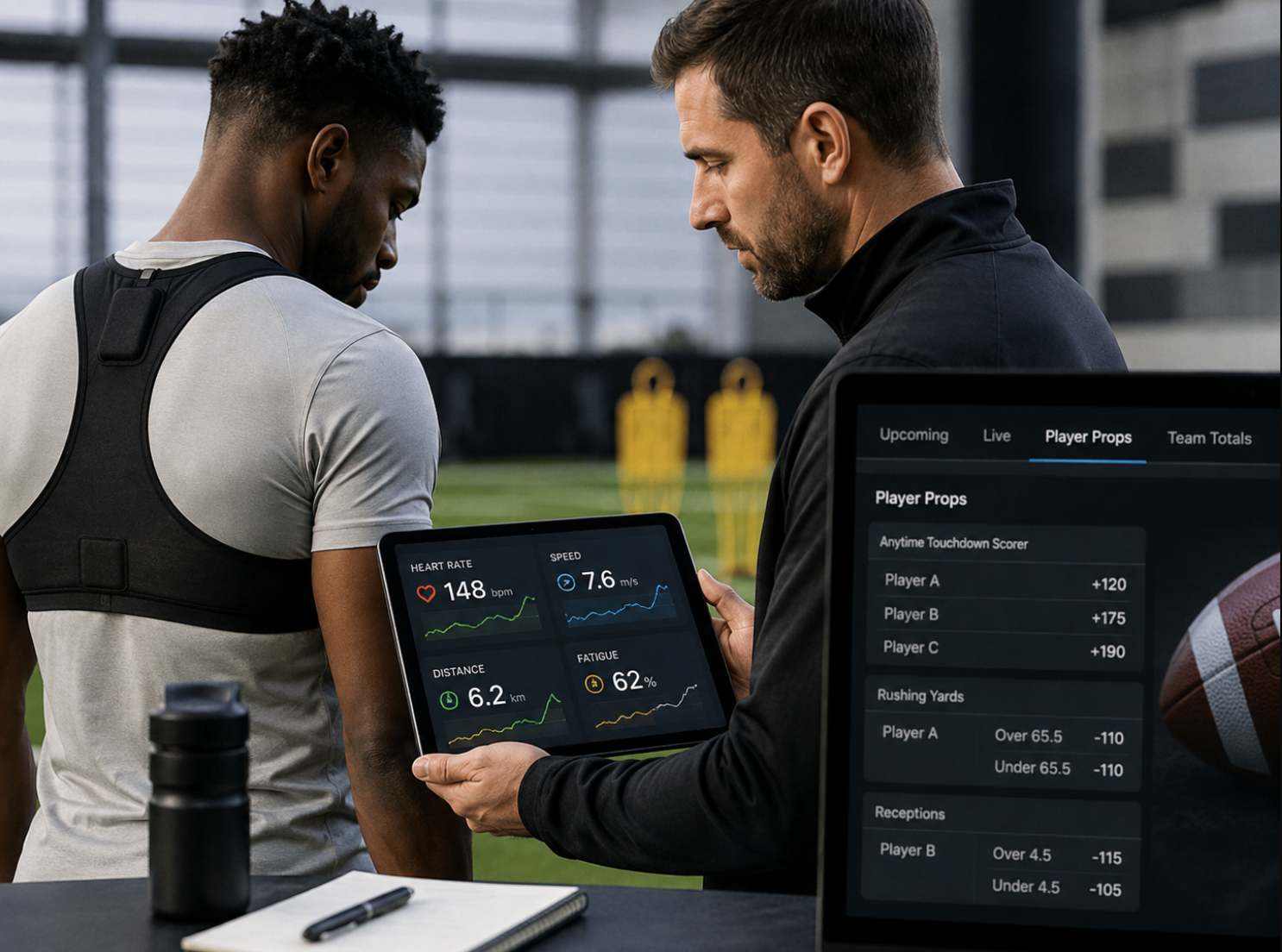

Sports used to leave more room for guesswork. Fans watched the match, checked the score, argued about form, and made their own calls. Now the game comes with more numbers than ever. A player may wear a tracker that reads speed, distance, heart rate, sleep, strain, and tired legs.
That sounds useful for coaches. It can help teams protect players, plan rest, and spot small signs before an injury gets worse. But once that kind of data touches betting, the feeling changes. A player is no longer just a name on a team sheet. His body can start to feel like part of the market.
Player Data Feels Too Close
Wearable data can make sport feel very close to the skin. It is not only about goals, shots, tackles, or passes anymore. It can show how hard a player ran, how fresh he looked, or how much strain he carried from the last game.
For a coach, this can be helpful. A tired player may need rest. A fast player may need more space to attack. A player coming back from injury may need fewer minutes. These things can protect careers and improve team choices.
For betting, it becomes more delicate. If fans begin to bet based on a player’s private body data, the line between sport analysis and personal detail can feel thin. A player may have a bad night because he is tired, ill, sore, or just human. Turning every small body sign into a betting clue can make the game feel less kind.
Numbers Can Miss the Person
Data can show many things, but it cannot show everything. A tracker may say a player ran less than normal, but it may not show why. Maybe the coach asked him to hold position. Maybe the team shape changed. Maybe the match tempo was slow. Maybe he played smart instead of running without need.
This is why numbers need care. They can help tell part of the story, but they should not become the whole story. A player is not a machine. He has pressure, fear, pride, family issues, bad sleep, and good days that numbers may not fully explain.
Bettors should remember this too. A clean chart can make a pick feel safer than it is. But sport still has mistakes, weather, emotion, and luck. Small stakes help keep betting close to sustainable entertainment, where the fan can enjoy the game without turning data into false certainty.
Fast Access Needs a Calm Pause
Wearable data can make betting feel faster because the numbers may change close to game time. A player looks tired. A team rests a starter. A live market moves. Before long, the phone feels louder than the match itself.
That is why easy account access needs slow thinking. A person using a saved PlayBaze login after reading a fresh data update may feel ready to act at once, but the better move is to pause and ask if the bet still makes sense. Fast entry should not remove careful thought.
A short pause can protect the evening. The player can check the budget, read the match news again, and decide if the data is useful or just noise. If the answer is not clear, skipping the bet can be the calmest choice.
Privacy Should Stay Human
Athletes give fans great moments, but they should not lose all privacy because they play in public. Some data belongs in the hands of teams, doctors, and the player. Not every body signal needs to become betting talk.
This matters for trust. Fans should be able to enjoy sports without feeling that every heartbeat, limp, or slow run is being turned into a price. Players should be treated with respect, not as moving data points.
Good betting spaces should treat players like valued guests too. That means plain rules, fair limits, and tools that help people pause. The goal should be safer play, not more pressure.
Betting Needs Clear Lines
Wearable data is not bad by itself. It can help teams train better and protect players from harm. The danger comes when private details are used without care or when fans trust data more than their own common sense.
Clear lines can help. Public match stats are fine. Team news is normal. But body data should be handled with care. Sport is better when people remember that numbers sit behind real bodies and real lives.
Extended entertainment value comes from calm play, not from chasing every fresh number. A fan can read stats, enjoy analysis, and still keep the stake small.
Let Data Stay in Its Lane
Wearable data can make sports smarter, but betting should not become too personal. A player’s body is not just a signal on a screen.
The best way forward is balance. Use data with care, respect privacy, and let the match stay human. Numbers can help tell the story, but they should never own it.