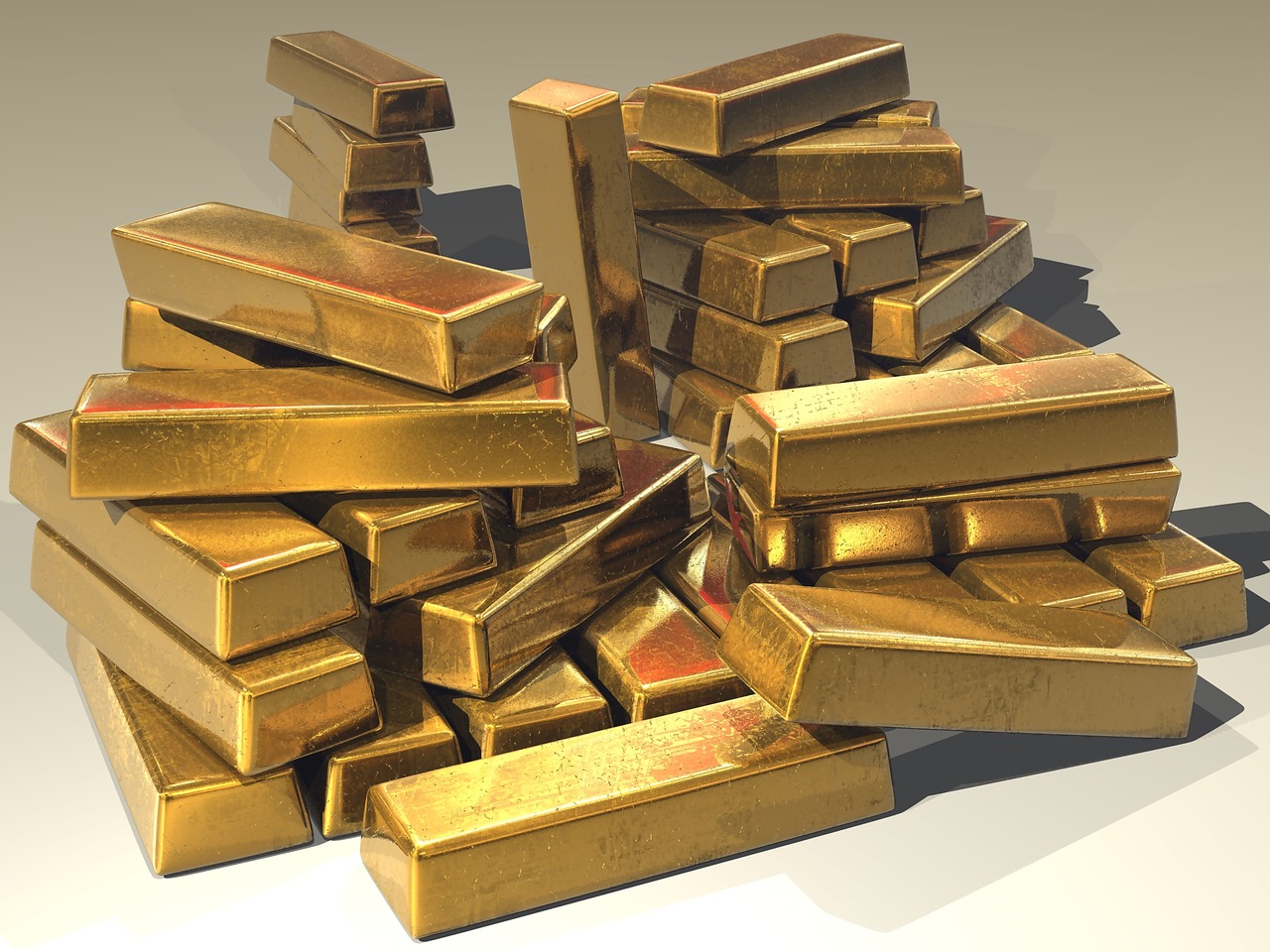
People buy physical gold for many different reasons, but deciding when to sell can be just as important as deciding when to buy. Some owners hold their gold for decades, while others sell when their personal circumstances or financial priorities change.
If you’re considering whether to sell gold bullion, there isn’t necessarily one perfect time. There are, however, several practical factors worth considering before making the decision.
Your Reason for Selling Matters
Gold bullion is often purchased as a long-term holding, but that doesn’t mean it has to remain untouched forever.
An owner might sell because they need funds for a major purchase, want to reduce the size of their precious metals holdings or simply believe the time is right to realise some of their investment.
Inherited bullion presents another situation. Someone who inherits gold may prefer to retain it, while another person may have no interest in owning precious metals and decide to sell.
The important point is that the decision will depend on individual circumstances.
You Can Sell Part of a Collection
Selling bullion doesn’t necessarily mean disposing of an entire holding.
Someone with multiple bars or coins can choose to sell only a portion. For example, an owner of five one-ounce gold bars could sell one or two while retaining the remainder.
This can provide flexibility for people who want access to some of the value stored in their gold without selling everything they own.
Gold Prices Don’t Stay Still
Before you sell gold bullion, it is useful to understand that the market price changes continually.
Gold is traded internationally, with prices responding to factors including economic conditions, interest rates, investor demand and movements in global currencies.
Historical prices can provide some perspective on how significantly the market can move over time. The World Bank’s commodity price data includes historical information on gold and numerous other internationally traded commodities.
However, past price movements cannot tell an owner exactly what gold will be worth in the future.
Consider What Type of Bullion You Have
Not every gold product is identical.
Modern investment bars from recognised manufacturers are generally purchased primarily for their gold content. Some older gold coins, however, can have value to collectors in addition to the metal they contain.
If you have an unusual or potentially rare coin, identifying it before selling solely for its gold value can therefore be worthwhile.
Minted bars should also be left inside their original packaging where possible. A recognised packaged product may be suitable for resale as bullion, while a bar that cannot readily be resold may need to be melted and refined. Refining costs can result in a slightly lower price being offered.
Make the Decision That Suits You
There is no universal rule determining when someone should sell gold bullion.
Some owners focus heavily on the current gold price, while others make the decision because their personal circumstances have changed.
Understanding what you own, checking the prevailing market value and deciding how much of your holding you actually want to sell can make the decision easier.
Related: Everything You Need Need To Know About GST On Gold
Ultimately, physical bullion gives its owner a choice. It can continue to be held, sold entirely or sold gradually as individual circumstances change.