Why Intel Servers Are Popular for High Performance Computing
High-performance computing (HPC) has become the backbone of modern research, enterprise applications, and scientific advancements. Businesses and research institutions require servers that process massive amounts of data quickly, reliably, and efficiently.
Intel servers are widely chosen in HPC environments for their performance, advanced architecture, and trusted reliability. The increasing demand for faster computations, AI-driven applications, and complex simulations has elevated the need for servers that can handle intensive workloads.
Intel servers are widely recognized for their ability to meet these requirements, providing enterprises with a foundation for scalable, efficient, and secure computing environments.
1. Understanding High-Performance Computing
High-performance computing involves processing large volumes of data and running complex simulations that traditional servers may struggle to handle efficiently. HPC is essential in various industries, including finance, healthcare, engineering, and scientific research.
With the growing adoption of AI, machine learning, and big data analytics, organizations need servers capable of parallel processing, high-speed memory access, and low-latency storage. Intel servers are designed to address these demands, providing the computational power necessary for modern HPC workloads.
2. Intel CPU-Based Servers: The Core of HPC
Intel’s server processors are engineered for high-density computing and multi-threaded performance. Their CPUs offer an optimized balance between speed, energy efficiency, and scalability, making them ideal for HPC environments.
Businesses looking to enhance their computational capabilities often evaluate Intel CPU-Based Servers due to their reputation for delivering consistent performance under heavy workloads. These servers support complex simulations, AI training, and data-intensive applications, ensuring that organizations can meet their performance goals without compromise.
3. Key Features Driving HPC Performance
Several features make Intel servers a preferred choice for high-performance computing:
- High Core Count: Intel CPUs offer multiple cores that handle parallel tasks efficiently.
- Advanced Memory Support: Optimized memory bandwidth ensures data-intensive tasks are processed without bottlenecks.
- Energy Efficiency: Intel’s architecture ensures high performance per watt and lower operational costs.
- Security Enhancements: Hardware-level security, including Intel SGX, helps protect sensitive HPC workloads.
These features enable enterprises to maximize computational efficiency, reduce downtime, and improve overall system reliability.
4. Scalability for Growing Demands
HPC environments frequently require scaling resources to accommodate expanding workloads. Intel servers provide flexibility to increase memory, storage, and CPU capacity without major infrastructure changes.
This scalability benefits organizations that deal with fluctuating workloads, such as financial simulations, AI model training, or large-scale scientific research. Intel servers make it easier to adapt infrastructure to evolving business needs while maintaining high performance.
5. Optimized Performance for Multi-Threaded Workloads
Multi-threaded processing is critical in HPC applications. Intel servers excel at handling numerous simultaneous threads, making them ideal for complex computations such as weather modelling, data analytics, and engineering simulations.
Efficient multi-threading ensures faster completion times, higher accuracy in computations, and more effective resource utilization. Organizations can run more simulations or analytics tasks concurrently, which accelerates decision-making and reduces operational delays.
6. Reliability and Long-Term Support
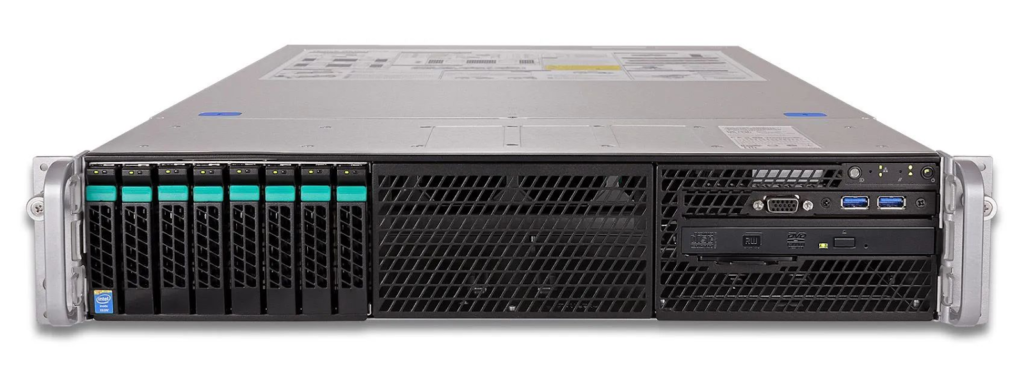
Intel servers are built with enterprise-grade components designed for continuous operation. Their robust engineering ensures that critical HPC workloads run 24/7 without interruptions.
Long-term support, firmware updates, and compatibility with industry-standard management tools allow IT teams to maintain reliable operations while minimizing downtime. This reliability is crucial for sectors such as healthcare, finance, and research, where delays or errors can have significant consequences.
7. Integration with Modern HPC Software
Intel servers are compatible with a wide range of HPC software frameworks, virtualization platforms, and analytics tools. This ensures smooth deployment, reduces configuration challenges, and allows organizations to leverage existing infrastructure effectively.
Seamless integration enables teams to focus on analytics, research, or AI model development rather than troubleshooting hardware or software conflicts. Intel servers provide the flexibility required for hybrid, on-prem, and cloud HPC environments.
8. Energy Efficiency for Cost Management
Operating HPC infrastructure can be costly, especially in large-scale deployments. Intel servers offer improved energy efficiency, allowing organizations to achieve high computational performance without excessive power consumption.
Optimized power usage lowers operational costs, reduces heat generation, and extends hardware longevity. This makes Intel servers a practical and economical solution for enterprises managing extensive HPC workloads.
9. High-Speed Data Processing
Intel servers support fast memory, high-throughput storage, and advanced networking interfaces. These capabilities ensure that data is processed rapidly and efficiently, eliminating bottlenecks and maintaining smooth operation across HPC clusters.
Whether running simulations, training AI models, or performing large-scale data analysis, Intel servers provide the consistent speed and throughput necessary for mission-critical operations.
10. Intel Servers for Diverse HPC Applications
From scientific research to financial modeling and AI workloads, Intel servers are versatile enough to support a broad range of applications. Intel Servers deliver performance, reliability, and scalability, allowing organizations to tackle demanding computational tasks.
By selecting the right Intel server configuration, businesses can optimize HPC performance for specific workloads while ensuring long-term infrastructure flexibility.
11. Supporting AI, Machine Learning, and Big Data
Modern HPC workloads increasingly involve AI, deep learning, and big data analytics. Intel servers’ multi-core processors, advanced memory architecture, and high-speed interconnects make them well-suited for training complex models and processing large datasets efficiently.
Organizations can accelerate AI training, improve predictive analytics, and gain faster insights, giving them a competitive advantage in rapidly evolving markets.
12. Future-Proofing HPC Infrastructure
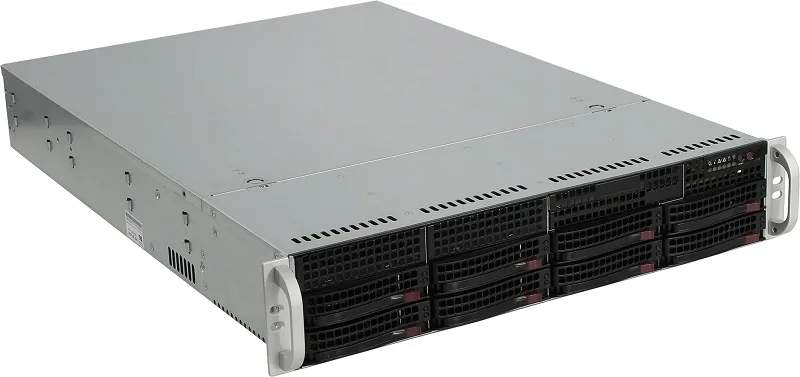
Investing in Intel servers ensures that HPC infrastructure remains future-ready. Intel continuously updates its processors and server solutions to support new technologies, higher memory capacities, and faster interconnects.
Future-ready servers reduce the need for frequent replacements, provide long-term cost savings, and enable organizations to adopt emerging HPC applications confidently.
Why Intel Servers Remain a Top Choice for HPC
Intel servers offer high-performance CPUs, scalability, reliability, and energy efficiency, making them ideal for HPC environments. They enable organizations to tackle complex simulations, AI workloads, and big data analytics with confidence.
For businesses planning to upgrade or expand HPC infrastructure, working with trusted providers like Cloud Ninjas ensures access to the right Intel CPU-based solutions, expert guidance, and infrastructure that meets both current and future computing demands.